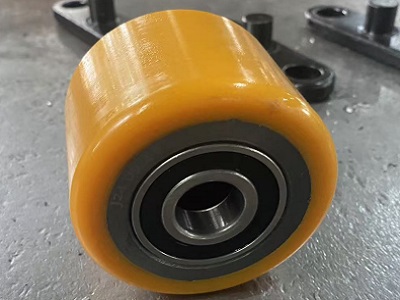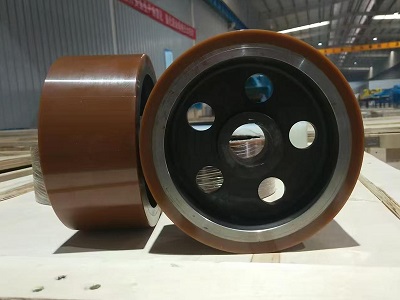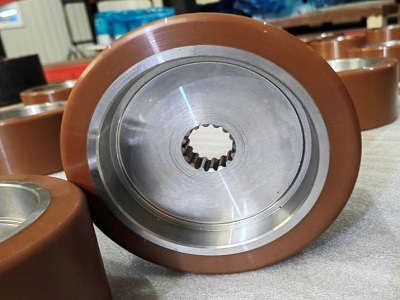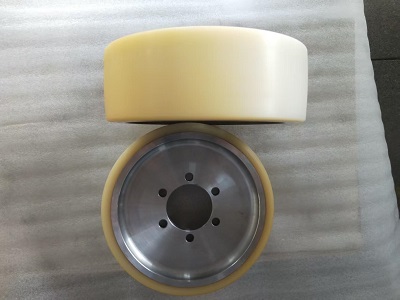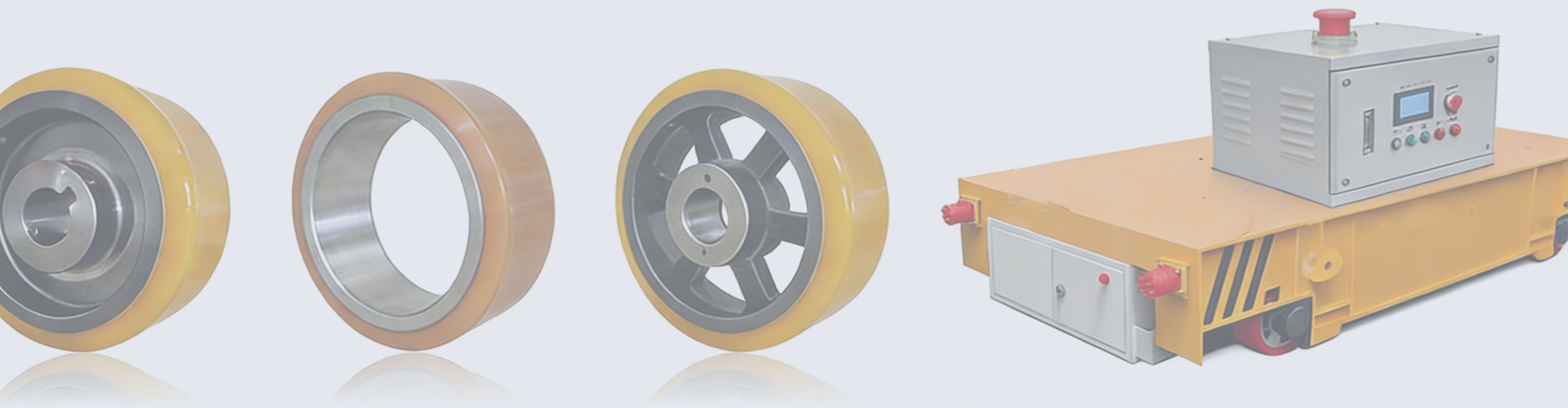


In automated warehousing and intelligent manufacturing systems, AGVs (Automated Guided Vehicles) undertake high frequency, heavy duty material handling tasks. The wheel system serves as a key execution component for power transmission and load bearing. Wheels directly influence the traction and stability of the entire vehicle, and also determine equipment service life and maintenance costs.
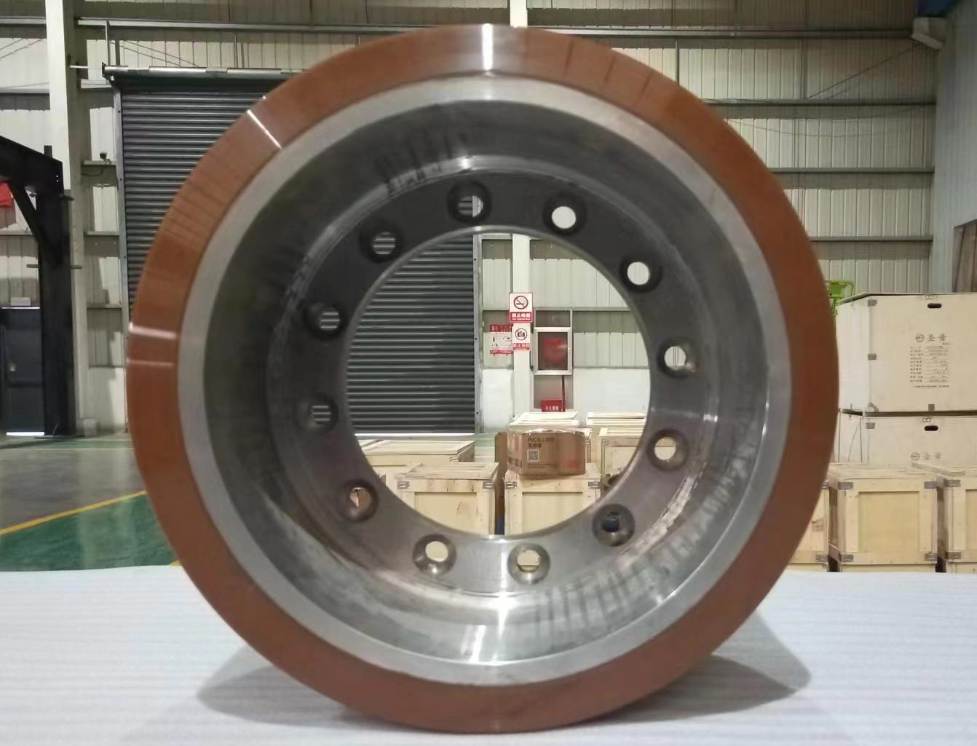
Design Features of Heavy Duty AGV Flatbed Wheels
High Load Bearing Structural Design
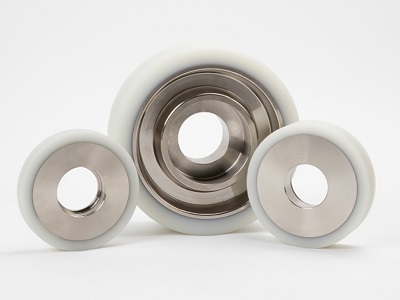
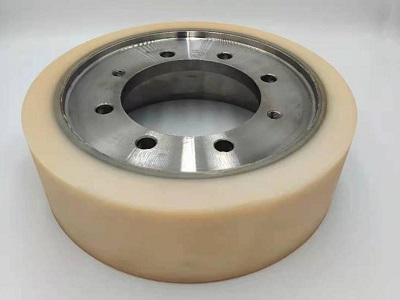
Heavy duty AGV wheels typically adopt high strength steel or ductile iron wheel cores with reinforced structural design to withstand high torque output and large-tonnage loads. This structure effectively prevents deformation and ensures stable operation in continuous working environments.
Application of High Performance Polyurethane Materials
Excellent wear resistance for extended service life
Superior shock absorption and noise reduction
Non-marking and floor-friendly operation
Resistance to oil stains and chemical corrosion
High Precision Machining & Dynamic Balancing Design
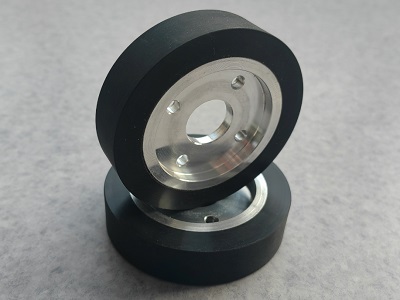
High quality AGV wheels are usually processed via CNC precision machining and dynamic balancing correction, ensuring extremely low coaxiality and runout tolerance. This reduces vibration and uneven wear, improving overall vehicle running accuracy and stability.
Premium Materials: NDI / Vulkollan Upgraded Solutions
Higher dynamic load capacity
Compression resistance without deformation
Suitable for 24/7 continuous operation
Low Rolling Resistance & Energy-Saving Design
Reduced energy consumption
Improved battery life
Enhanced operating efficiency
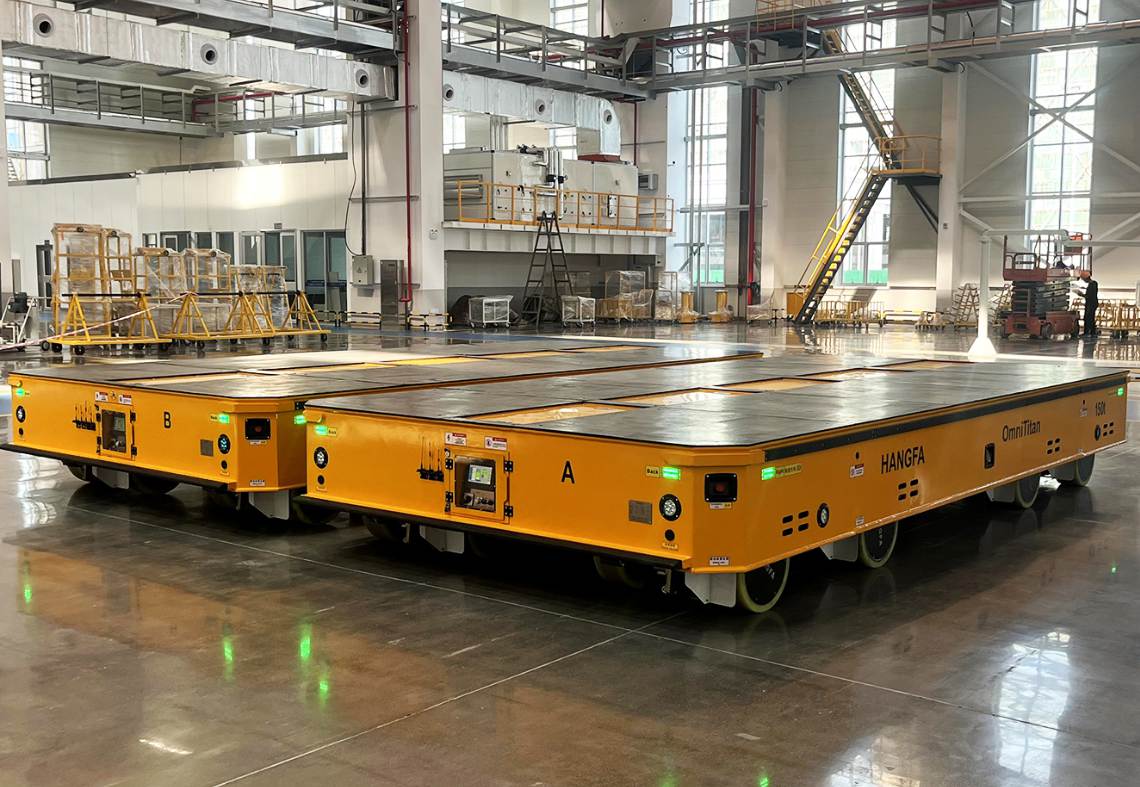
Key Selection Criteria: Scientific Matching to Application Scenarios
Load Calculation & Safety Margin
AGV self-weight
Maximum payload
Dynamic impact load
Ground Environment Matching
Epoxy flooring: Softer PU for reduced wear
Concrete flooring: High hardness wear-resistant materials
Uneven flooring: Larger diameter wheels
Drive System Compatibility
Motor output shaft dimensions
Installation methods (keyway, flange, press-fit, etc.)
Drive types (differential / omnidirectional)
Operating Conditions & Running Frequency
24-hour continuous operation: Heat resistant, low hysteresis materials
High frequency start-stop: High resilience materials
Heavy duty low speed: Priority on load capacity
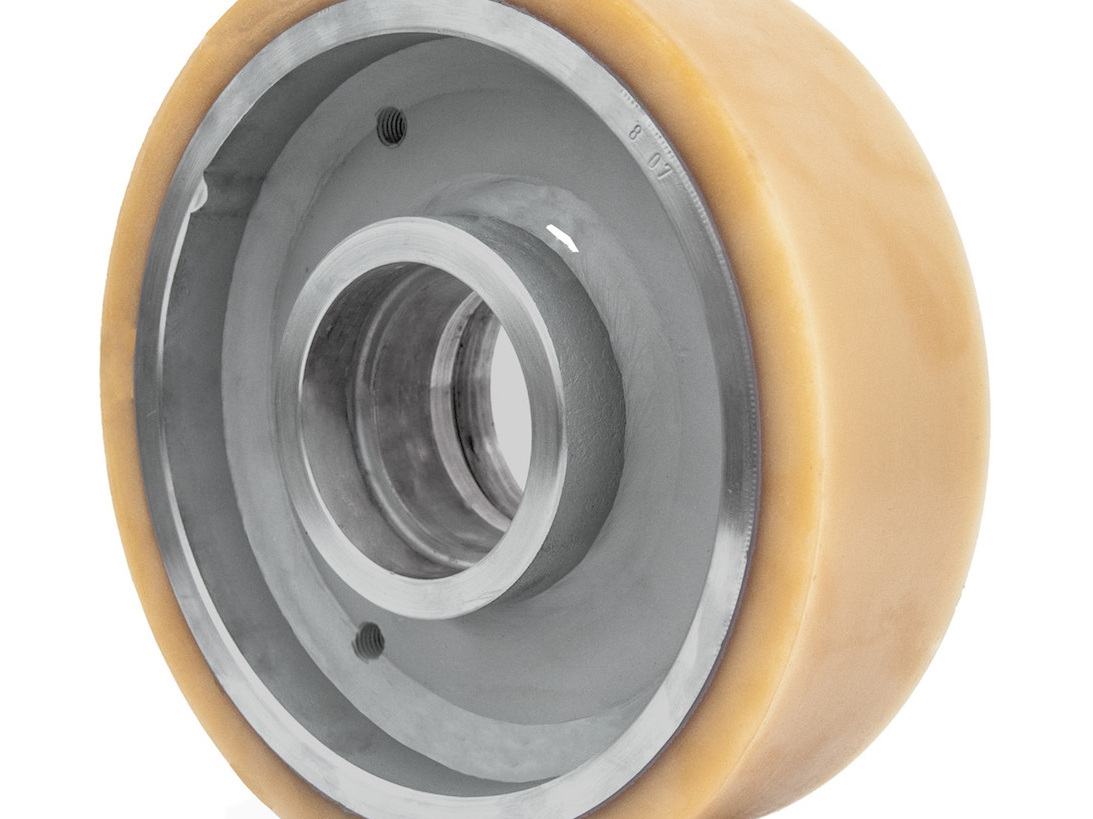
How to Choose the Right Heavy Duty AGV Flatbed Wheels
Load capacity
Material performance
Ground and environmental compatibility
Drive system matching
Operating frequency and service life requirements
If you are looking for high performance, customizable heavy duty AGV flatbed wheel solutions, this guide provides comprehensive references from design principles to selection strategies. With proper structural design and scientific selection, enterprises can significantly improve AGV system efficiency, reduce maintenance costs and strengthen the competitiveness of their overall intelligent logistics systems.